March 23, 2026
Developing a pool patio involves more than just laying down stone next to a swimming pool. It requires a strategic approach to design that balances visual appeal with the practical needs of safety and relaxation. A well-executed pool patio serves as the foundation for your outdoor lifestyle, acting as a serene retreat for quiet mornings or a high-energy hub for weekend social gatherings. By prioritizing durable materials and thoughtful layouts, you can transform your backyard into a personal oasis. This guide explores the essential components of creating a pool patio that remains both stylish and functional for years to come.
Establish the Primary Purpose of the Space
Before beginning construction, it is vital to determine how you intend to use the area most frequently. Some homeowners want a pool patio that mimics a quiet spa environment, focusing on secluded lounging and minimal noise. Others envision a space built for hosting large groups, requiring expansive footprints and diverse seating arrangements. Defining these goals early ensures the final design aligns with your specific lifestyle needs. For those focused on social events, incorporating wide pathways and multiple gathering spots is essential. Conversely, if intimacy is the goal, a smaller layout with cozy corners may be more appropriate.
Select the Optimal Layout and Location
The positioning of your pool patio is a major factor in its long-term utility. You must evaluate how sunlight hits the area throughout the day to balance sunny spots for tanning with shaded areas. Privacy is another critical consideration, as the strategic placement of walls or tall plantings can shield your pool patio from neighbors. Observing the natural slope of your land is also necessary to ensure the transition between the home and the water feels natural. A well-placed patio takes advantage of the best views while minimizing exposure to wind or street noise.
Integrate the Patio with the Existing Landscape
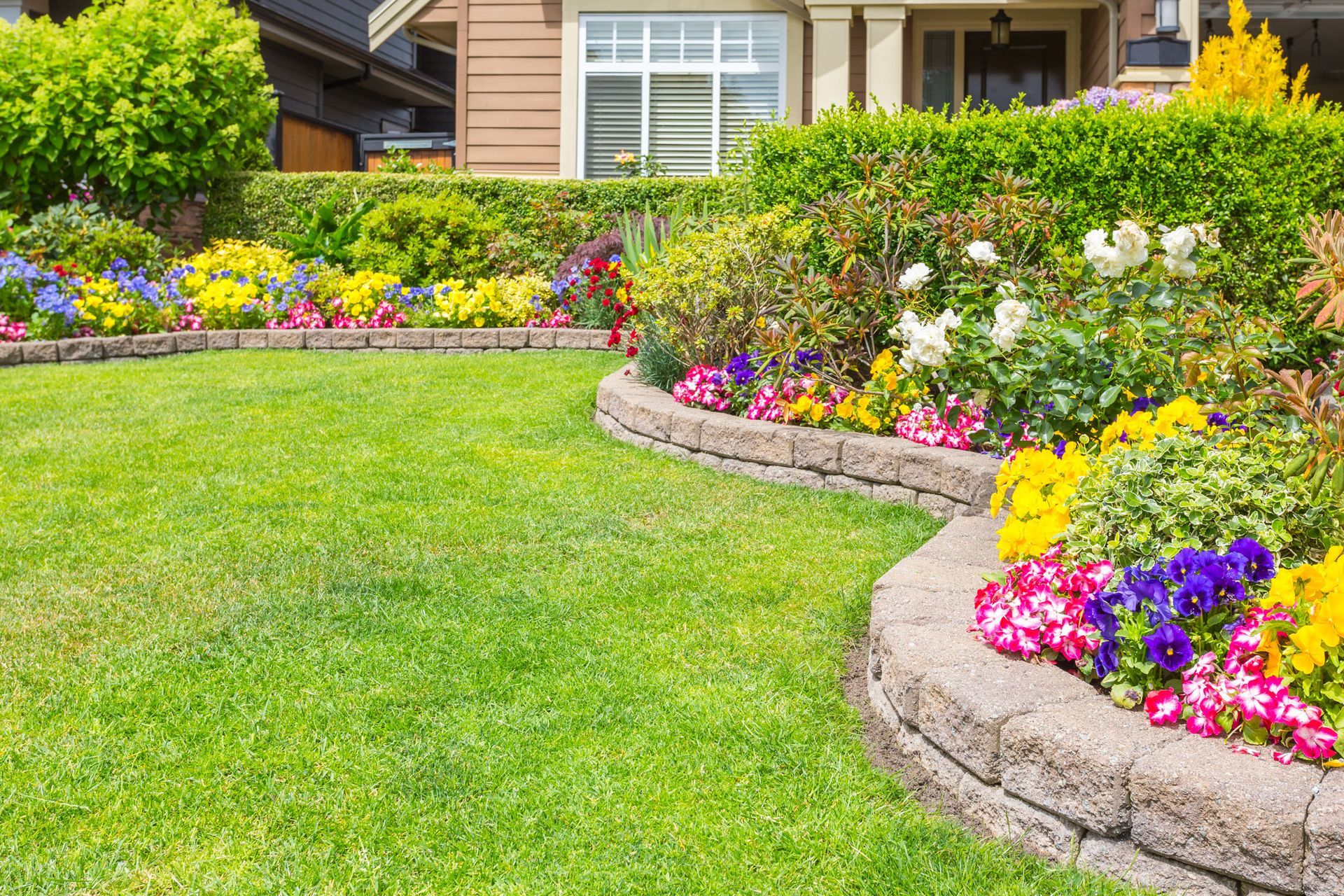
A seamless pool patio should feel like a natural extension of your home's architecture and the surrounding environment. Using materials that mirror the colors of your house helps create a unified look. Additionally, incorporating local plant life can soften the hard edges of the masonry and help the structure blend into the yard. According to data from RubyHome, more than half of all homes in the United States, or roughly 55%, feature a garden. Integrating these garden elements directly into your pool patio design can significantly boost the aesthetic value and ecological health of your property.
Manage Your Budget and Project Scope
Creating a high-quality pool patio requires careful financial planning to avoid unexpected costs. Start by listing the non-negotiable elements, such as the primary surfacing and necessary drainage systems. Once the core components are covered, you can look into luxury additions like integrated fire pits or custom lighting. It is helpful to set aside a small contingency fund for any site preparation issues that may arise. Regularly reviewing the project scope helps keep the construction on track and ensures the final pool patio meets your expectations without exceeding your financial boundaries.
Collaborate with Professional Design Teams
Working with experienced professionals can make a significant difference in the longevity of your pool patio. Designers understand how to navigate local building codes and complex structural requirements that a DIY approach might overlook. They can offer advice on which materials will hold up best in your specific climate, ensuring the stone or pavers don't degrade prematurely. Landscaping professionals can also suggest the best irrigation and drainage solutions to protect the foundation of your pool patio. Engaging a professional team streamlines the process and ensures a high-quality result that adds lasting value to your home.
Implement Non-Slip Surfaces for Safety
Overall safety is the most important factor in any pool patio design, especially regarding the choice of flooring. It is essential to choose materials that provide excellent traction even when they are completely saturated with water. Textured stones, brushed concrete, or specialized pavers are excellent choices for a pool patio because they reduce the risk of accidental slips. Beyond the initial installation, keeping the surface clean of algae and debris is necessary to maintain its grip. Prioritizing safety through material selection ensures that your outdoor area is welcoming for children and guests alike.
Install Secure Barriers and Fencing
Proper fencing is a fundamental requirement for a secure pool patio, acting as a vital barrier for children and pets. Modern fencing options allow you to meet safety regulations without sacrificing the style of your backyard. For example, glass partitions provide a clear view of the water, while ornamental metal fencing adds a classic touch to the pool patio. Ensure that all gates are equipped with self-closing hinges and high-quality latches. By integrating these safety measures into the overall design, you create a protected environment that provides peace of mind for users.
Add Strategic Lighting for Nighttime Use
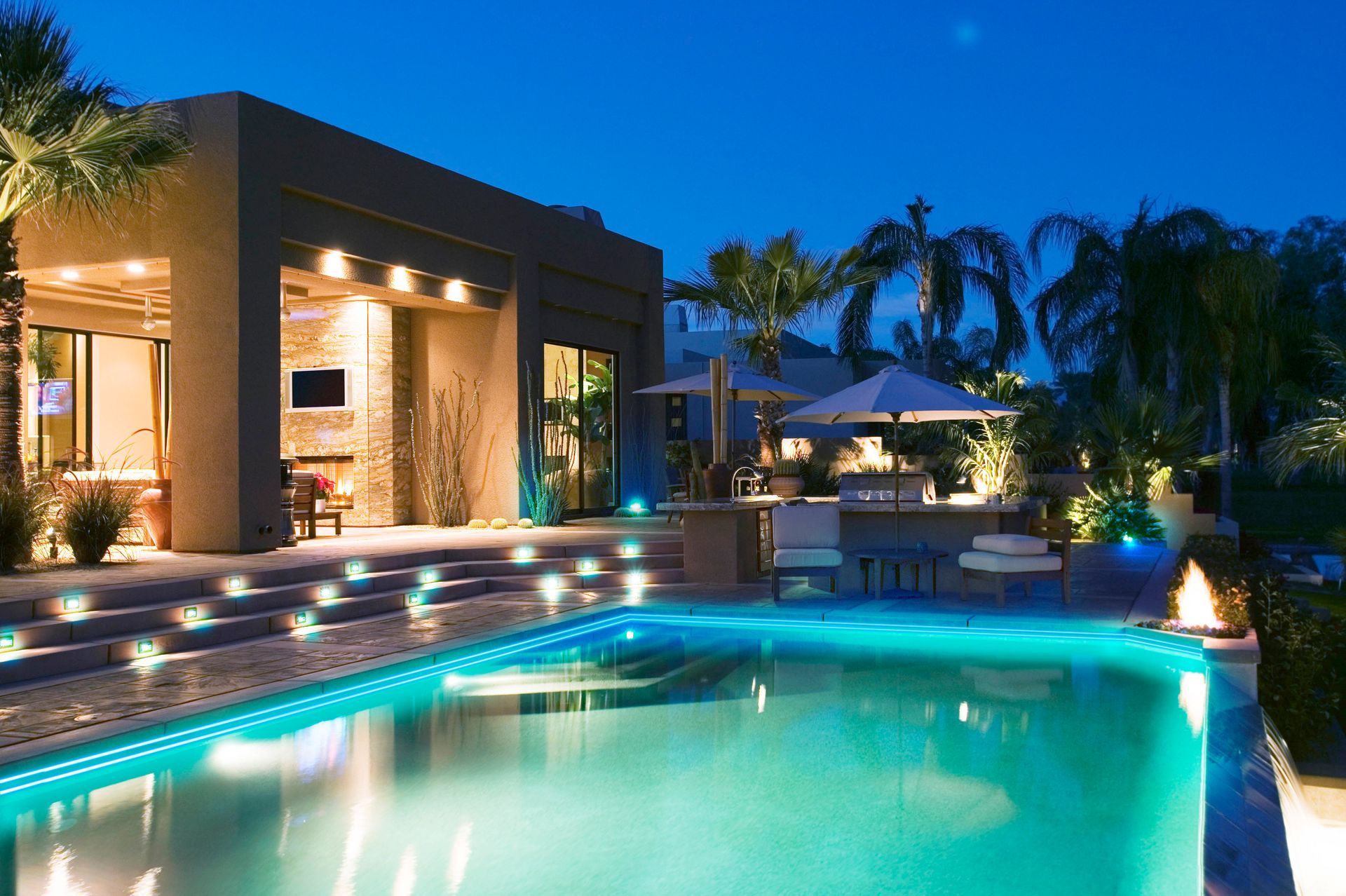
A pool patio should be just as functional at night as it is during the day. Strategic lighting improves visibility and highlights the architectural features of your landscape. Low-voltage LED lights along the perimeter of the pool patio can define the edges and prevent tripping hazards. You can also use spotlights to showcase trees or water features, creating a sophisticated evening ambiance. Incorporating automated timers or smart controls allows you to manage the lighting easily, ensuring the pool patio is always safely illuminated whenever it is needed.
Organize Equipment and Maintenance Storage
Maintaining a clean and organized pool patio requires storage for tools and chemicals. Keeping pool cleaners, toys, and maintenance supplies in nearby areas prevents clutter from taking over the area. It is particularly important to store chemicals in a cool, dry, and ventilated space that is inaccessible to children. Well-planned storage solutions keep the pool patio looking its best and ensure that necessary supplies are always within reach. A tidy environment enhances the visual appeal and makes the space feel more professional and well-kept.
Select Weather-Resistant and Comfortable Furniture
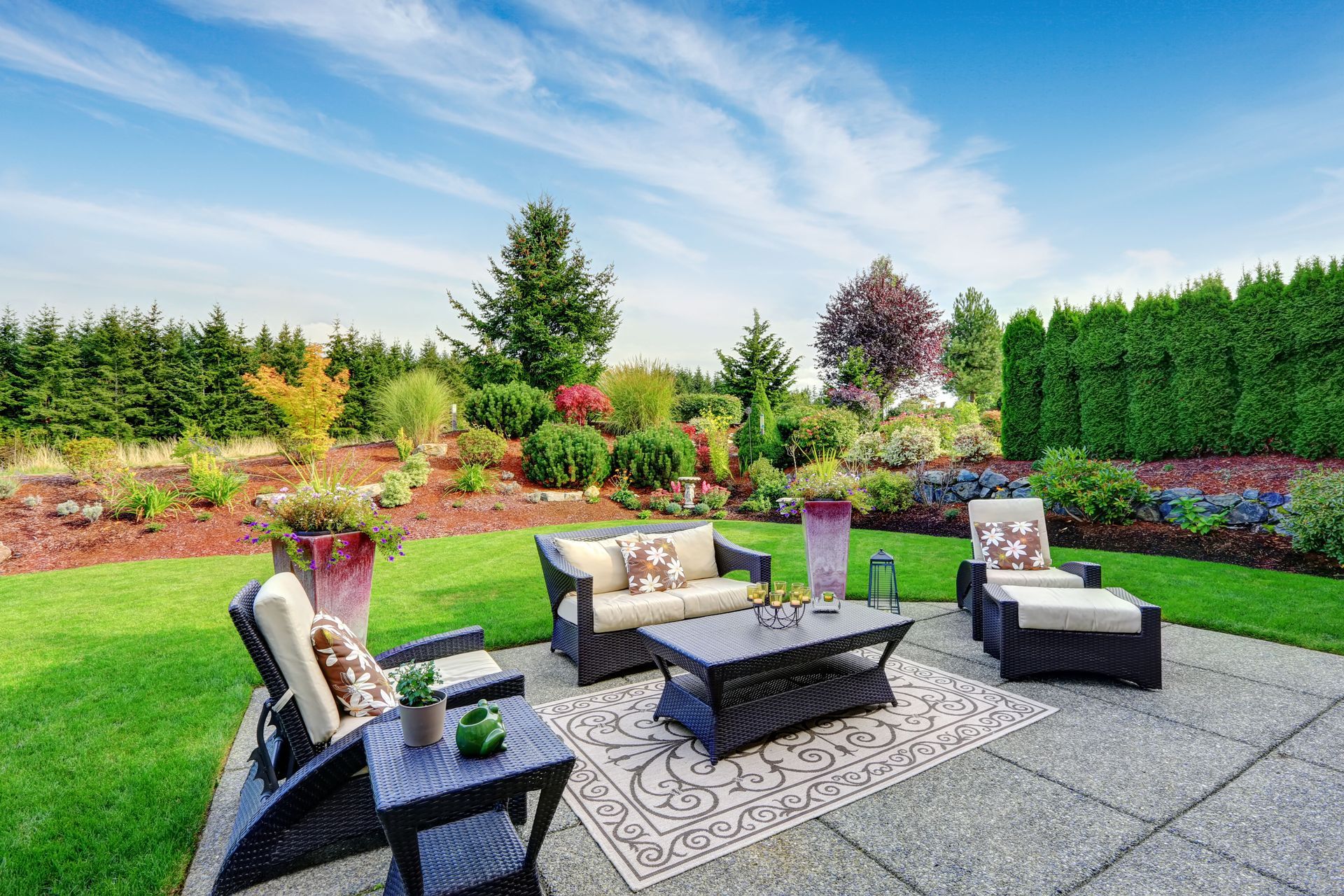
The furniture you choose for your pool patio determines how much time you will actually spend there. It is important to invest in high-quality, weather-resistant pieces that can withstand constant exposure to UV rays and moisture. Ergonomic loungers and spacious outdoor sofas make the pool patio an inviting place for long afternoons of relaxation. Using fabrics designed for outdoor use ensures that cushions won't fade or develop mold over time. By choosing comfortable and durable seating, you transform the pool patio into a true living area that functions like an outdoor room.
Incorporate Structures for Sun Protection
While sun is a major part of the poolside experience, having adequate shade is necessary for long-term comfort. Pergolas, retractable awnings, and large umbrellas provide much-needed relief during the hottest parts of the day. These structures also add vertical interest to the pool patio design, making the space feel more defined and private. You can enhance shade structures with climbing vines or outdoor curtains to create a more secluded feel. Providing a variety of shade options ensures that every guest can enjoy the pool patio regardless of their sun sensitivity.
Design Distinct Functional Activity Zones
Breaking your pool patio into specific zones can help maximize the usability of the square footage. You might designate one area specifically for sunbathing with lounge chairs, while another section is set aside for outdoor dining with a table and grill. Separating these activities prevents the pool patio from feeling crowded during busy gatherings. This organized approach allows different groups to enjoy the space simultaneously without interfering with each other. A zoned layout makes the backyard feel larger and more intentional, catering to a wide range of outdoor activities.
Choose a Cohesive Color and Material Palette
The aesthetic success of a pool patio depends heavily on the materials and colors you select. Natural stone offers a timeless, high-end look, while composite materials can provide a modern appearance with less maintenance. It is helpful to choose a color palette that complements the natural surroundings and the exterior of your home. Using a consistent theme throughout the pool patio helps the various elements feel like a single, cohesive design. Whether you prefer cool colors or warm earth tones, a thoughtful palette elevates the entire backyard and creates a professional finish.
The journey toward a perfect backyard involves balancing the natural landscape with structural elegance. As you consider the various zones and materials discussed, remember that a successful pool patio is one that feels like a natural extension of your indoor living space. Incorporating greenery, smart technology, and effective lighting will further enhance the usability and beauty of the area. When you are ready to begin the transformation of your outdoor living space, contact the dedicated team at Roney's Landscaping & Masonry Inc.