January 26, 2026
Landscaping is often seen as merely decorative, but when planned strategically, it provides far more than aesthetic appeal. Thoughtful landscaping can improve privacy, create shaded areas, and even increase a property’s market value. Homeowners who invest in purposeful landscape design enjoy both immediate and long-term benefits, making it a worthwhile investment. From creating secluded retreats to enhancing outdoor comfort, hiring a professional landscape contractor can transform your property in meaningful ways.
The Role of Landscaping in Creating Privacy
Privacy is a top priority for many homeowners, especially in suburban neighborhoods where houses are close together. Strategic landscaping effectively blocks unwanted views, creates intimate outdoor spaces, and provides a sense of security. Planting dense hedges or rows of trees along property lines is one of the most effective ways to create natural barriers. Evergreen trees, such as arborvitae or cypress, maintain their foliage year-round, ensuring privacy in all seasons, while deciduous trees can be used to provide summer screening and allow sunlight in the winter months. Combining landscaping with fences or stone walls can also enhance privacy. A simple wooden fence provides a physical barrier, but integrating climbing plants or shrubs softens its appearance and blends the structure with the surrounding natural environment. Additionally, tall ornamental grasses, bamboo, and flowering shrubs installed by a landscape contractor can be used to screen specific areas like patios or seating spaces. These plantings not only act as privacy barriers but also add texture, color, and seasonal interest, transforming open yards into private retreats.
How Landscaping Provides Shade
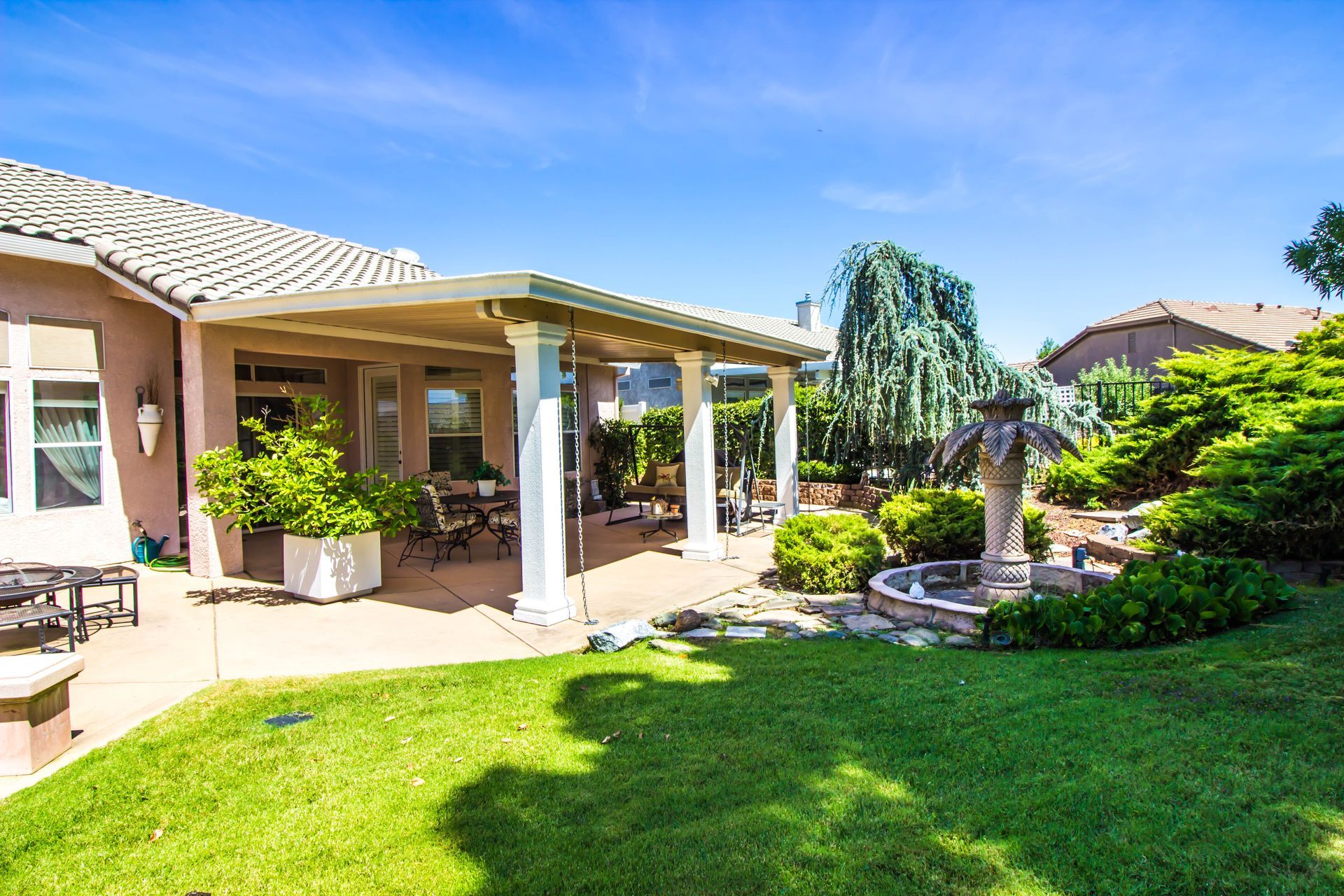
Beyond privacy, a strategic landscape contractor can significantly enhance outdoor comfort by providing shade. Well-placed trees, pergolas, and garden structures reduce heat exposure, create cooler outdoor environments, and even help lower indoor energy costs. Large shade trees with broad canopies act as natural air conditioners, blocking harsh sunlight and reducing temperatures both outside and inside the home. Planting shade trees on the south or west side of a property is particularly effective, and species such as oak, maple, and sycamore provide long-lasting coverage. Garden structures, including pergolas, gazebos, and arbors, can be combined with climbing plants like wisteria or grapevines to create shaded seating or dining areas. These features make outdoor spaces more inviting, even during the hottest months. Additionally, layering plants, with taller trees, medium-sized shrubs, and low ground covers, can create multiple layers of shade, cooling both the soil and the surrounding environment while adding visual depth and interest to the landscape.
Enhancing Property Value Through Landscaping
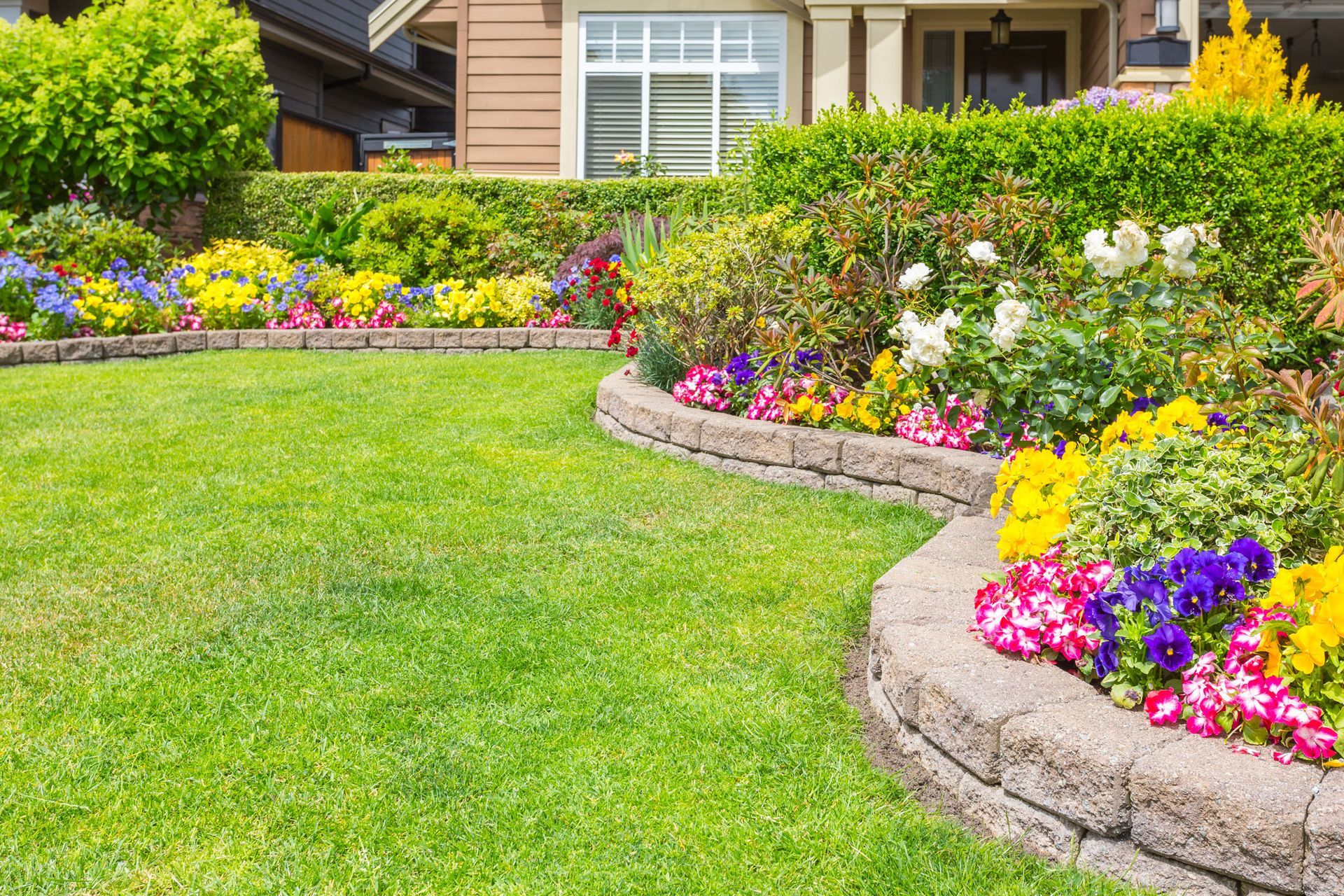
Strategic landscaping does more than improve comfort and privacy—it can significantly increase a property’s value. In fact, according to RubyHome, investing in well-planned and executed landscaping can increase a home’s value between 5.5% and 12.7%! Studies consistently show that well-designed landscapes boost curb appeal, attract potential buyers, and provide a measurable return on investment. First impressions matter, and a home with attractive, well-maintained landscaping immediately creates a positive perception. Manicured lawns, colorful flower beds, and thoughtfully placed trees signal care and quality, enhancing the property’s overall appeal. Functional outdoor spaces, such as shaded patios, play areas, or outdoor dining zones, extend the living area beyond the home’s walls and offer lifestyle benefits that are highly appealing to buyers. Additionally, landscaping can provide environmental advantages. Properly placed trees reduce heating and cooling costs, while water-efficient plants and modern irrigation systems demonstrate sustainable practices. Homebuyers increasingly value environmentally conscious features, making strategic landscaping an attractive selling point.
Designing a Landscape With Purpose
To maximize the benefits of landscaping, it’s essential to hire a landscape contractor who designs with intention. Random planting or decorative features without strategy often fail to deliver long-term advantages. Every element of a purposeful landscape should serve one or more goals, whether privacy, shade, beauty, or property value. Start by assessing your property’s existing conditions, including sunlight patterns, soil quality, wind direction, and property lines. Identify areas where privacy is lacking or where shade is most needed. Next, define your goals: Are you seeking a private retreat, a shaded area for gatherings, or a visually striking yard to enhance resale value? Clearly defining your objectives guides plant selection, placement, and overall design decisions. It’s also important to plan for growth. Consider the mature sizes of trees and shrubs to avoid overcrowding and ensure that the landscape remains functional and attractive for years to come.
Choosing the Right Plants for Privacy and Shade
Plant selection by an experienced landscape contractor plays a critical role in achieving privacy and shade goals. Selecting species suited to your climate and soil ensures longevity and reduces maintenance. Evergreen trees like arborvitae, holly, and pine provide year-round coverage and dense foliage, making them ideal for privacy screens. Deciduous trees, including maple, oak, and elm, offer seasonal shade while allowing sunlight in the winter and adding vibrant fall colors that enhance curb appeal. Ornamental grasses, such as pampas or bamboo, grow quickly to provide immediate privacy, while flowering shrubs like hydrangeas or azaleas contribute seasonal beauty. Thoughtful plant selection ensures that your landscape not only meets functional needs but also creates visual interest throughout the year.
Integrating Hardscapes for Function and Appeal
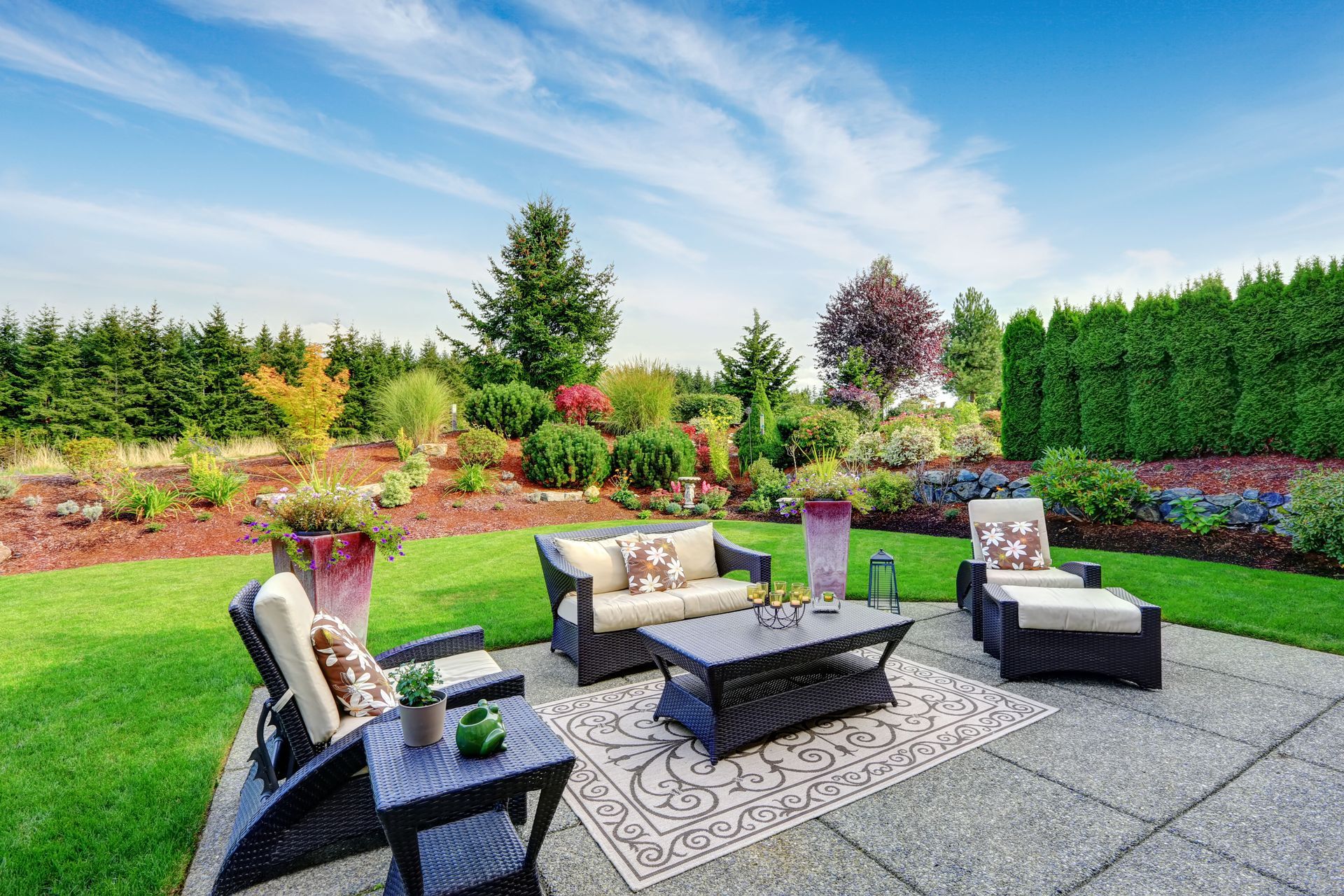
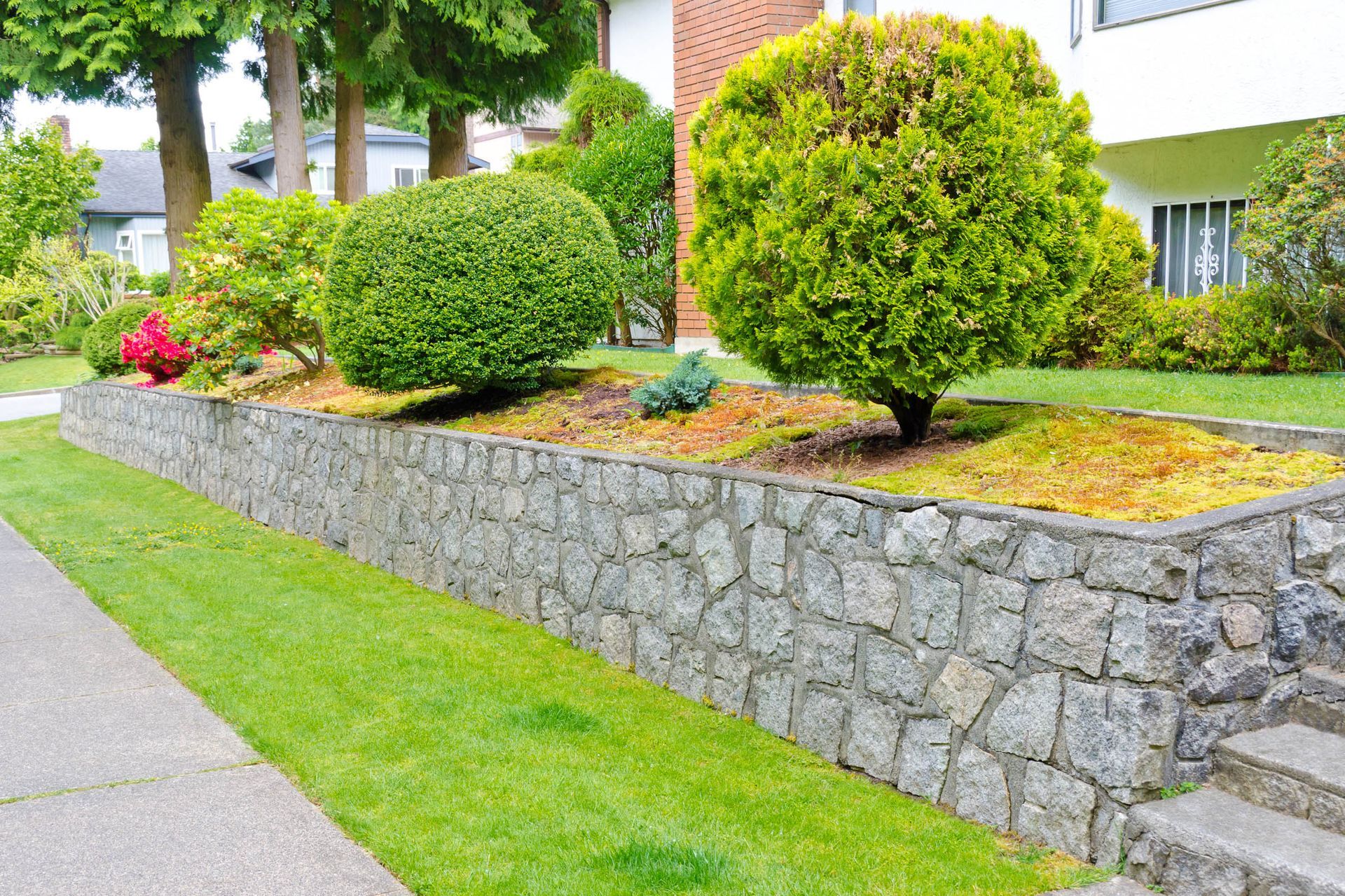
Hardscaping elements complement plantings while enhancing both functionality and aesthetic appeal. Patios, decks, walkways, retaining walls, and fences can be combined with greenery to create harmonious, usable spaces. Outdoor living areas shaded by pergolas or trees offer comfortable spaces for relaxation and entertainment, while stone or brick pathways guide visitors and define areas of the yard. Borders made of stone, metal, or wood create clear separations between plant beds and open spaces, contributing to a well-organized appearance. Privacy walls or fences, softened by climbing plants, provide both structure and natural beauty, creating a seamless integration between hardscapes and plantings. When designed thoughtfully by a local landscape contractor, these elements improve property usability while boosting visual appeal.
Seasonal Considerations for Year-Round Appeal
A well-designed landscape maintains beauty and functionality throughout the year. Selecting plants and features with seasonal interest ensures that outdoor spaces remain attractive and enjoyable no matter the season. Evergreens, ornamental grasses, and berry-producing shrubs add visual interest in winter, maintaining privacy and color when deciduous trees are bare. Spring and summer bring flowering trees, shrubs, and perennials that attract pollinators and create vibrant outdoor spaces ideal for social gatherings. In the fall, deciduous trees provide stunning foliage, with shades of red, orange, and yellow enhancing curb appeal. With the help of a professional landscape contractor, planning for seasonal variation ensures your landscape remains engaging and functional throughout the year, creating long-lasting value.
Maintenance and Sustainability
Maintaining a landscape is key to preserving its benefits. Proper care, including regular pruning, watering, and fertilization, ensures plants thrive and maintain their intended function. Installing irrigation systems and selecting drought-tolerant or native plants can reduce maintenance requirements while promoting sustainability. Thoughtful landscaping also supports local ecosystems, providing habitats for birds, pollinators, and beneficial insects. By integrating sustainable practices into design and upkeep, homeowners create a landscape that is both functional and environmentally responsible, enhancing property value and contributing to a healthier community.
Strategic landscaping goes beyond aesthetics, offering privacy, shade, and tangible property value. Through careful planning, plant selection, and integration of hardscaping features, homeowners can create outdoor spaces that are functional, comfortable, and visually appealing year-round. By approaching landscaping with purpose, you can transform any yard into a private, shaded, and beautiful retreat that stands the test of time. Our team at Roney's Landscaping & Masonry has been providing outdoor living space services since 2015 across Cape Cod, MA. Contact our professional landscape contractor today for a free estimate!